The Rise of the Machines (and How to Work with Them): Navigating the AI Revolution
From everyday tasks to complex problem-solving, Artificial Intelligence is reshaping our world. This post explores the impacts, opportunities, and essential skills needed to thrive in the new era of the AI revolution.
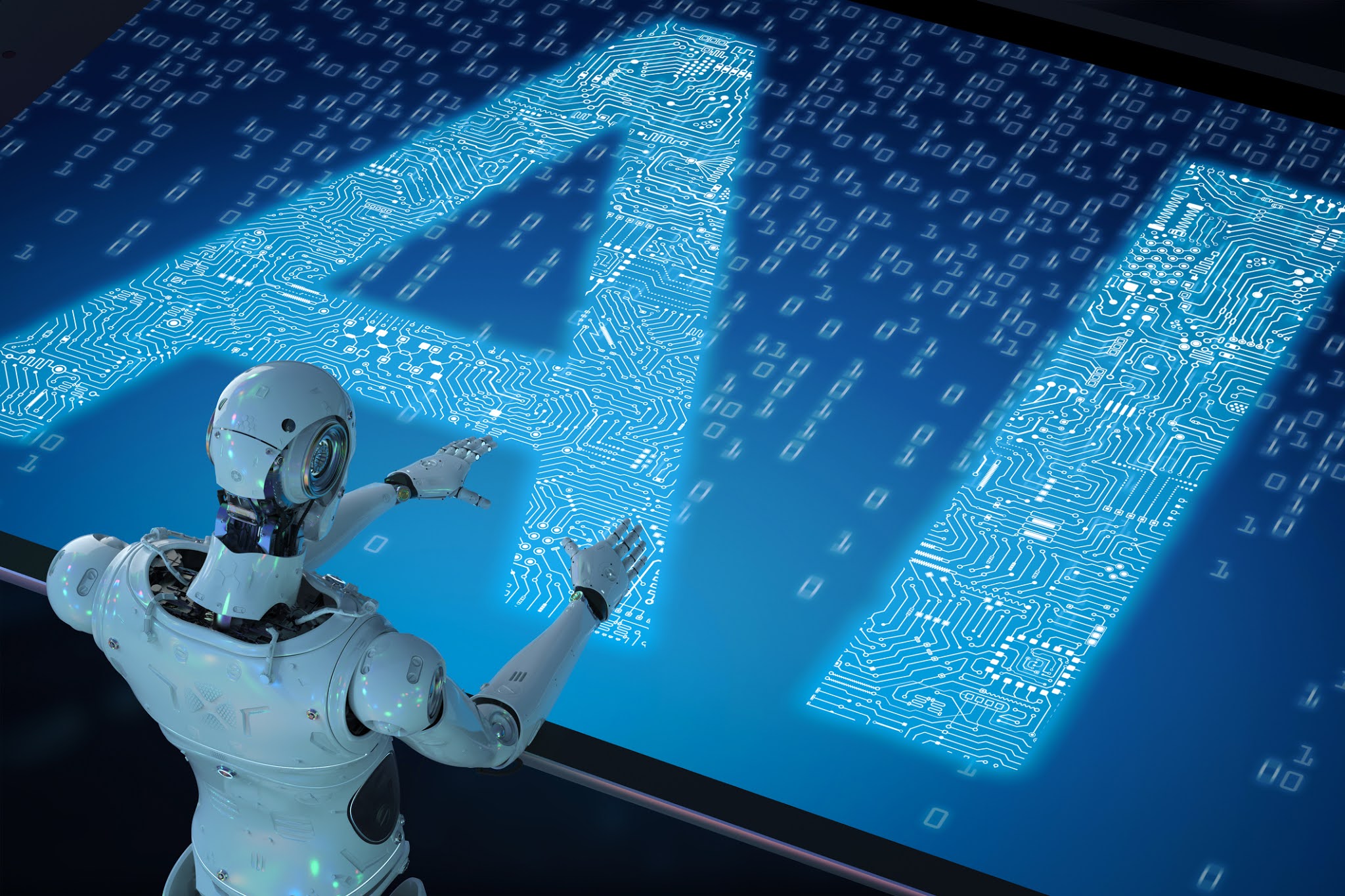
We are living through one of the most significant technological shifts in human history. The "AI revolution" isn't a future possibility—it’s here, and it's already integrated into the fabric of our daily lives.
This shift is far more than just "clever software." It’s a complete fundamental change in how we process information, make decisions, and interact with technology. Let’s break it down.
H1: What is the AI Revolution, and Why Now?
The AI revolution is the rapid acceleration and deployment of artificial intelligence technologies, driven by unprecedented data, computational power, and a breakthrough in algorithm design (especially deep learning and natural language models). Unlike previous revolutions, this one is defined by intelligence—systems that can learn, adapt, and perform tasks that were once exclusively the domain of human intelligence.
This isn’t just about automation. It’s about augmentation.
H2: The Impact on Daily Life and Work
This technology is already ubiquitous, often in subtle ways:
Recommendation Engines: Your favorite streaming or shopping service uses AI to know what you want before you do.
Virtual Assistants: Voice-activated agents and customer service chatbots are powered by natural language processing.
Generative Tools: AI is now creating art, writing code, and composing music, redefining the creative landscape.
In the professional world, the conversation is moving past "will AI take my job?" to "how can AI help me do my job better?" From healthcare diagnostics to financial modeling, AI acts as a super-powered co-pilot, handling repetitive tasks and finding insights in data that humans simply can’t process alone.
H2: Key Challenges and Ethical Considerations
This revolution is not without its complexity. As we move forward, we must critically address several major issues:
Bias and Fairness: If the data used to train AI is biased, the system will reproduce that bias. Ensuring ethical and inclusive AI development is paramount.
Job Displacement vs. Creation: The job market is shifting. While some roles will be automated, entirely new categories of work will emerge. The key is in preparing for that transition.
Transparency and Control: We must build systems where we can understand and audit how decisions are made, maintaining human oversight of critical processes.
H1: Looking Ahead: The Future is Collaborative
The most successful futures will not belong to AI alone, nor to humans alone. The future belongs to the powerful combination of human intuition, empathy, and strategic thinking, supported by the speed and analytical capabilities of machines.
To prepare for this future, focus on the skills that machines cannot (yet) replicate: complex collaboration, ethical judgment, critical thinking, and adaptive learning. The AI revolution isn’t an ending—it’s a powerful new chapter, and we hold the pen.
Enjoyed this article?
Subscribe to our newsletter to receive the latest industry insights and platform updates directly in your inbox.